Reading time: 5 minutes
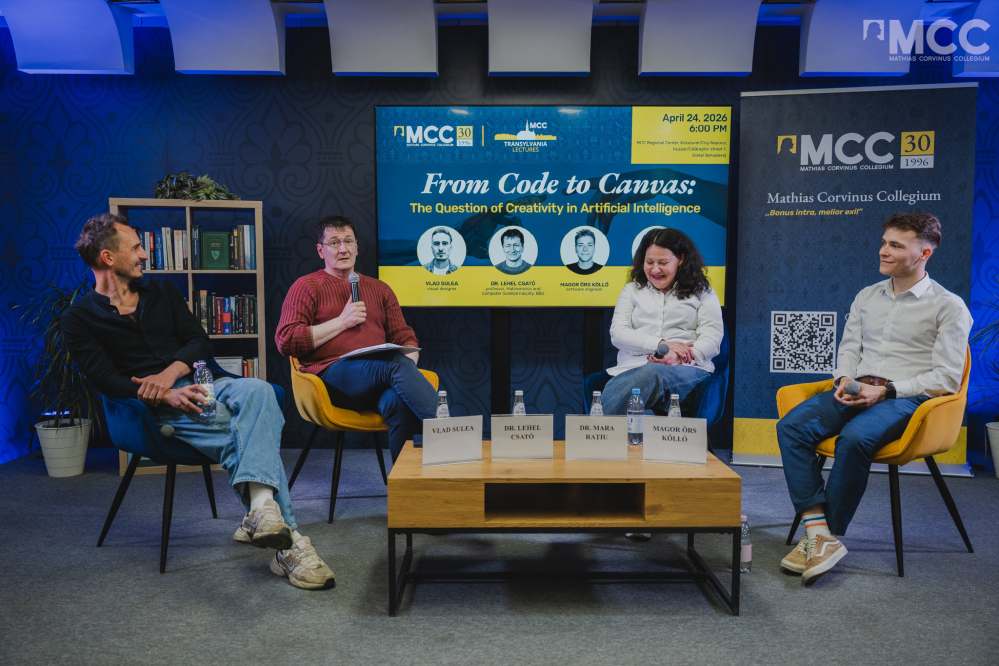
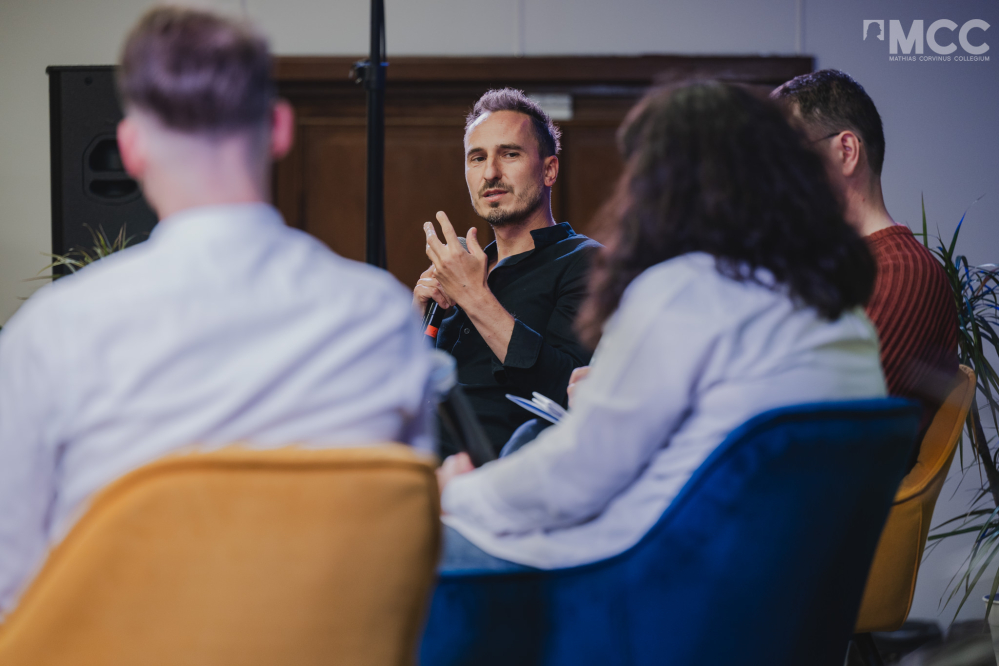
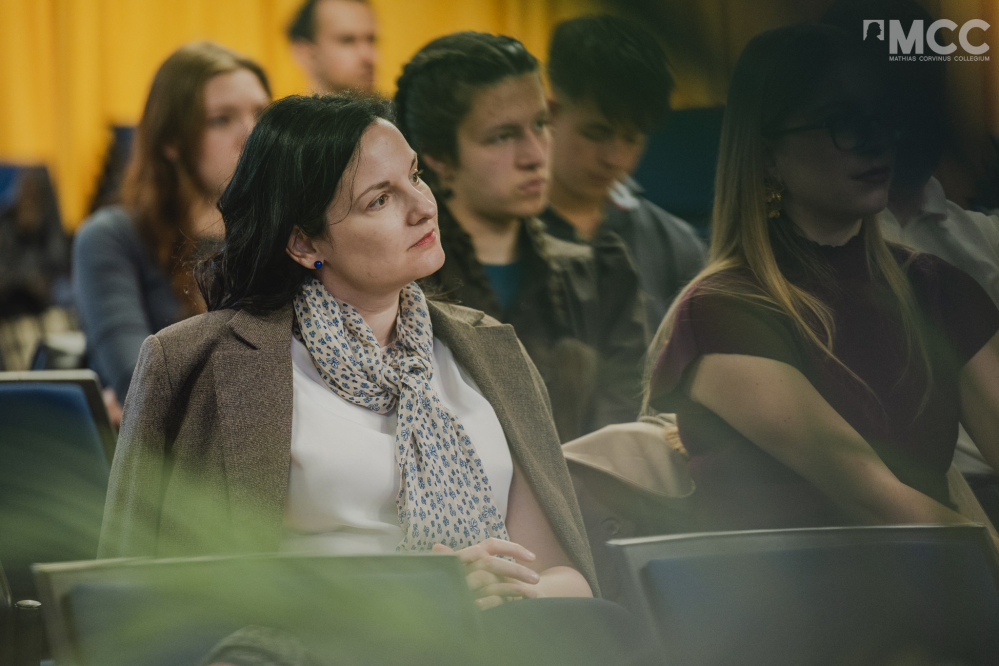
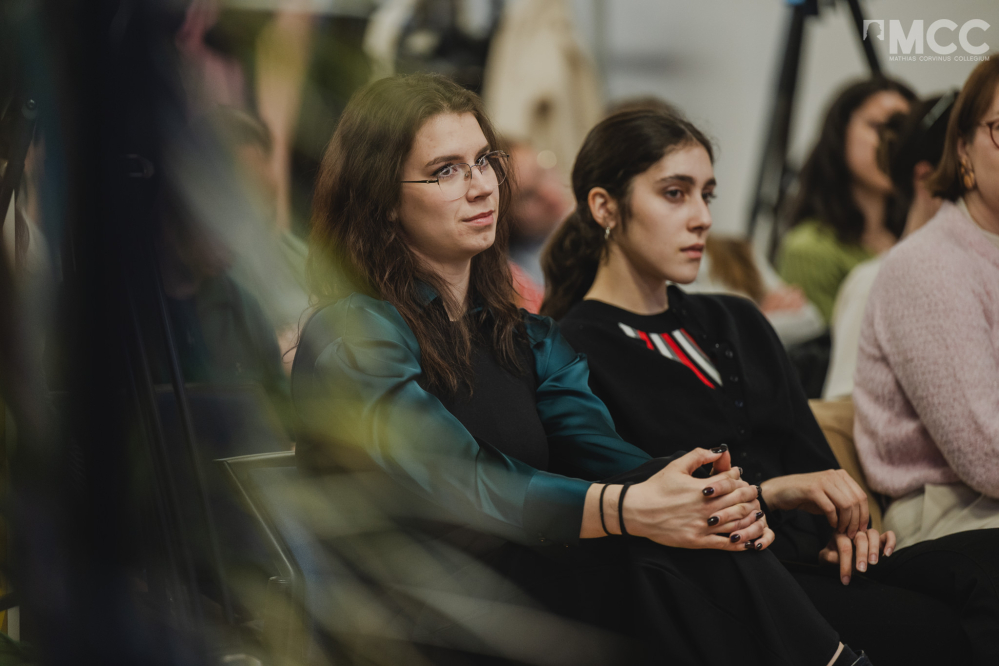
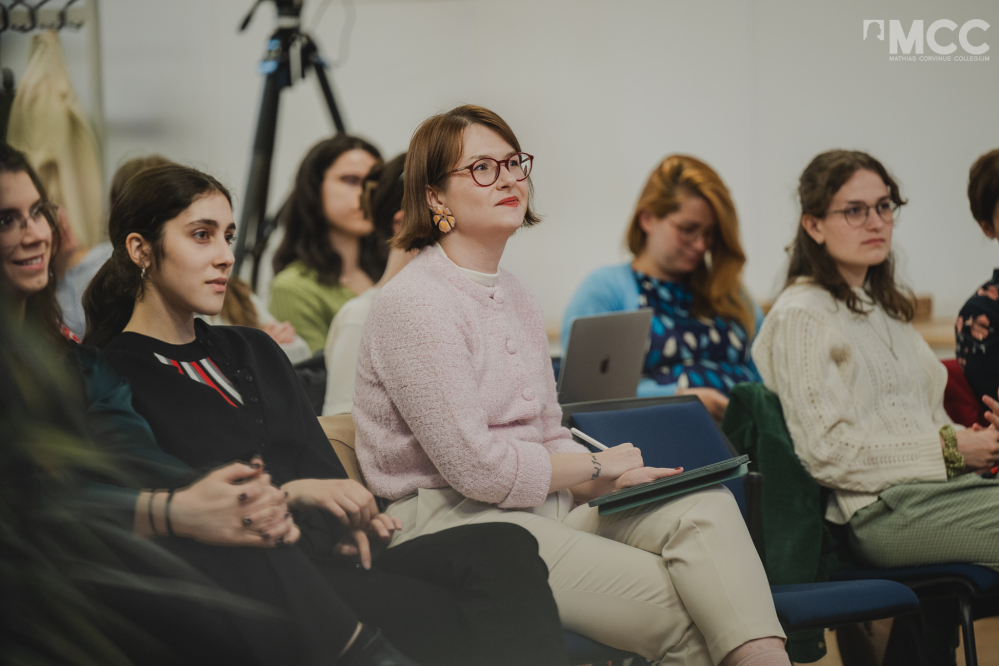
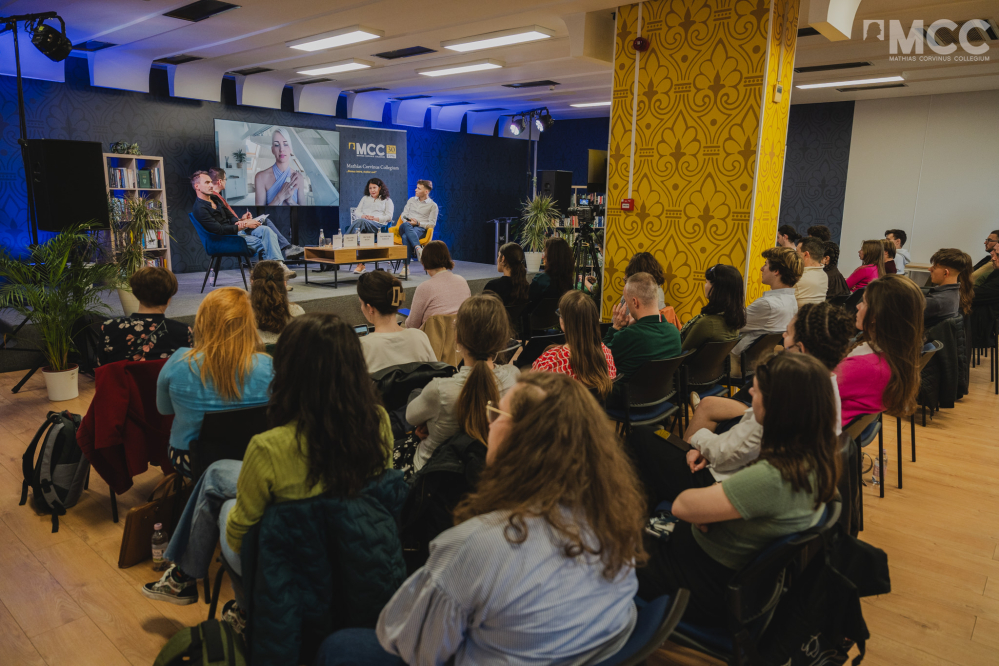
Can artificial intelligence truly be creative? How are the concepts of copyright and originality changing in the 21st century? At the April 24th event of the Transylvania Lectures series, the invited experts compared, contrasted, and analysed creative works produced by humans and algorithms from the perspectives of philosophy of art and computer science.
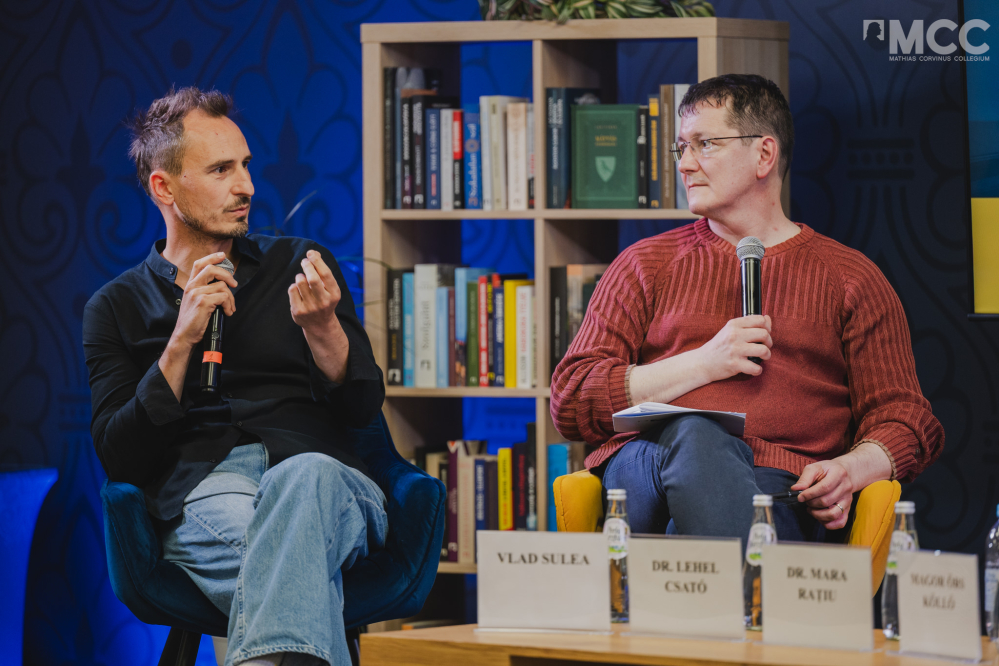
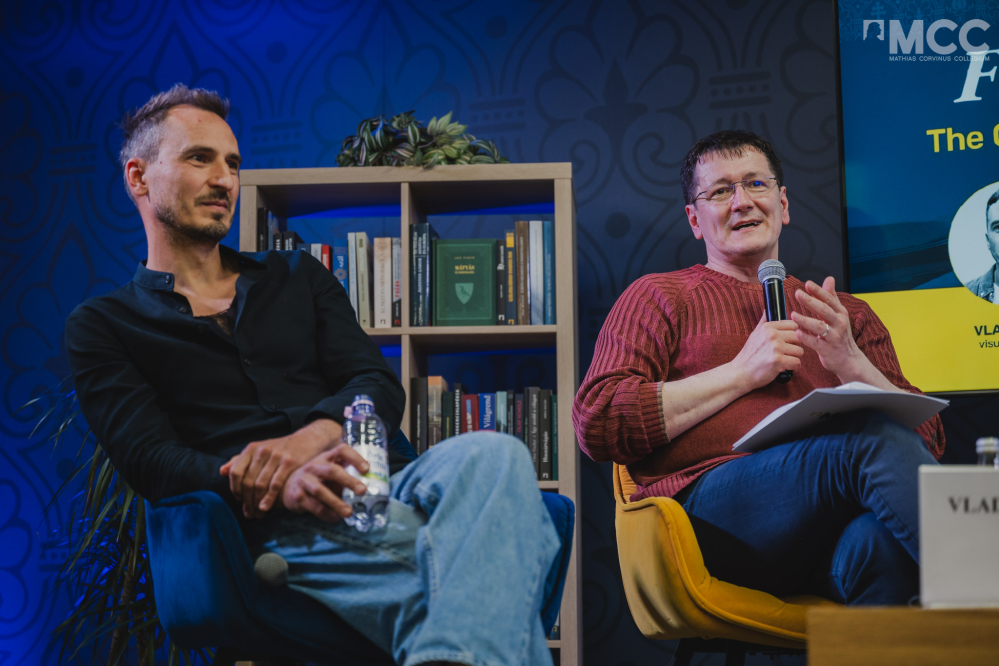
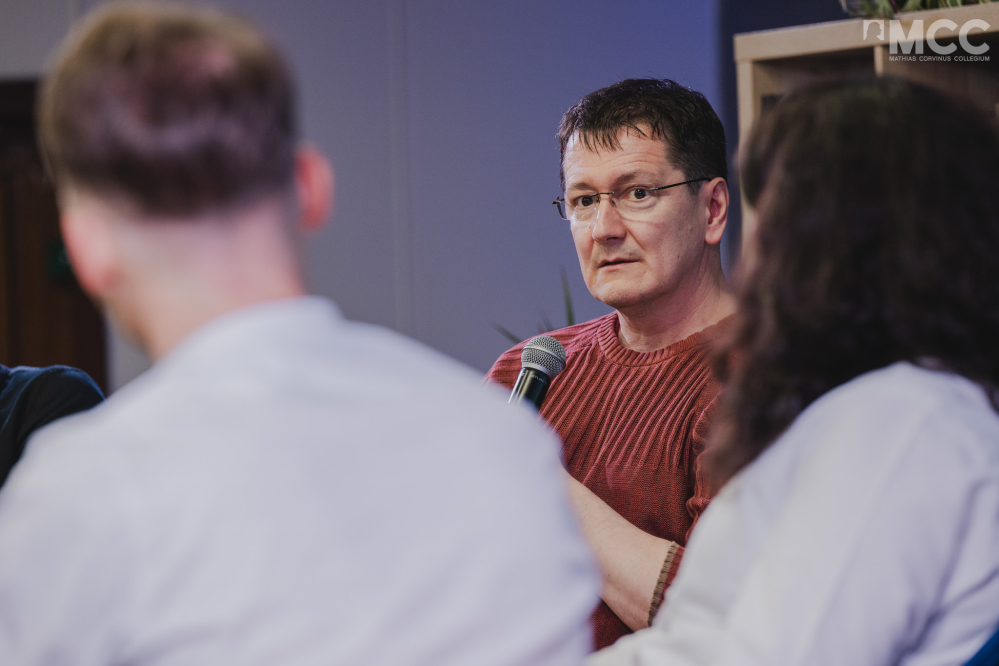
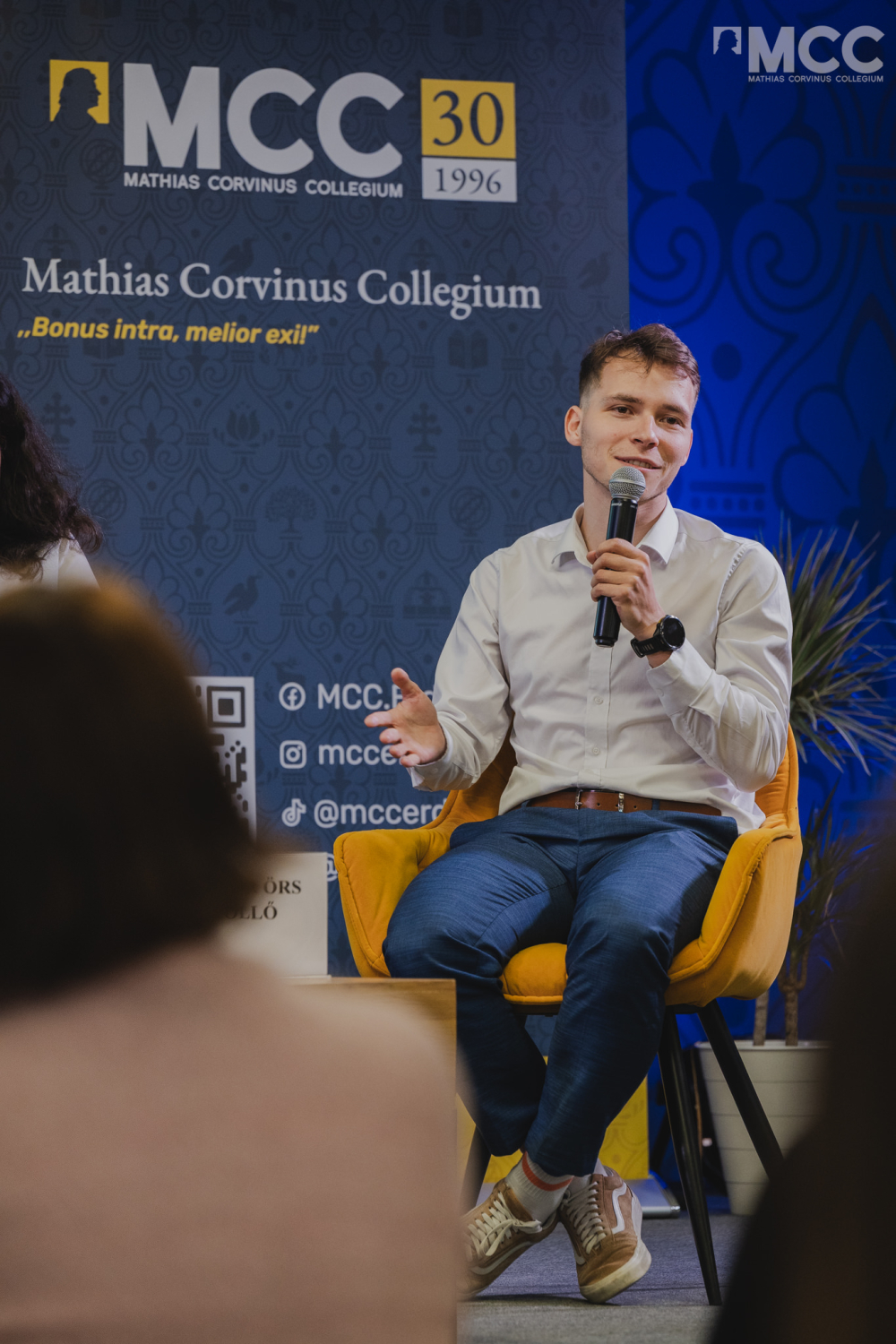
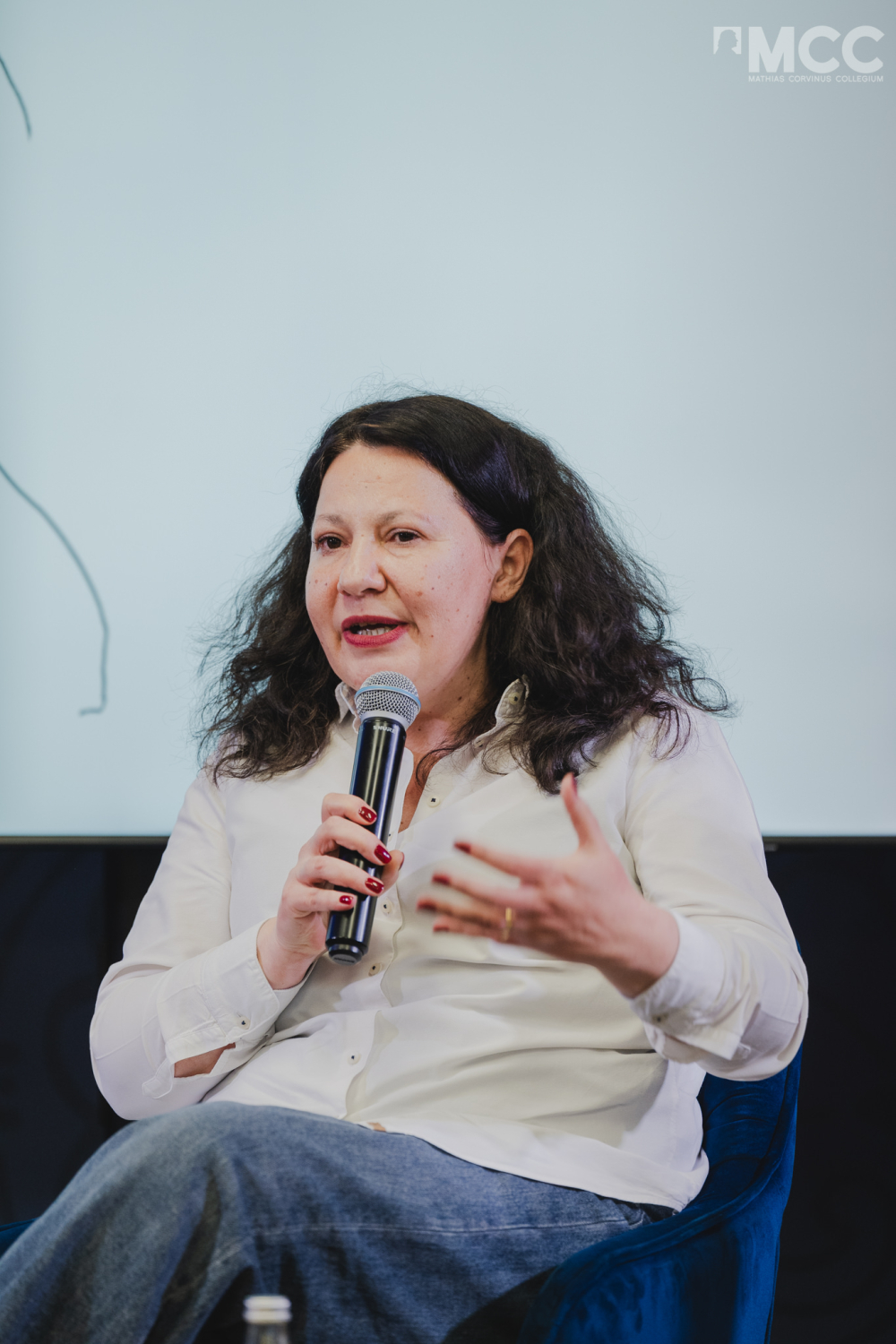
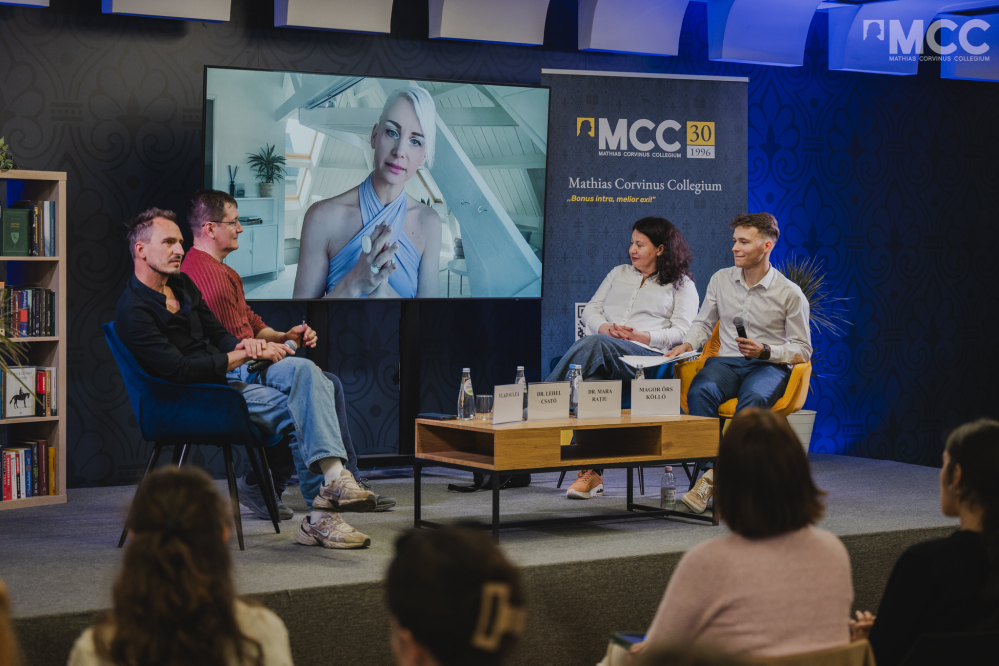
The guests of the discussion were Vlad Sulea, designer; Dr. Mara Rațiu, associate professor at the University of Art and Design in Cluj-Napoca; Prof. Dr. Lehel Csató, professor at the Faculty of Mathematics and Computer Science of Babeș–Bolyai University; and Magor Örs Köllő, software developer and MCC alumnus. The event also featured a video message from Dutch fashion designer and engineer Anouk Wipprecht.
The use of artificial intelligence in creative projects comes with numerous advantages as well as drawbacks. The guest speakers admitted that they use various AI tools, but they do so in different ways and with different motivations. Anouk Wipprecht spoke about how she applies these new technologies in designing her garments in a way that allows the final result to be innovative in itself. In her work, she turns toward new aesthetic directions, explores the interactions between clothing, the wearer, and the environment, and expresses emotions through materials. For her, the goal is therefore not merely to create a traditional garment, but pieces that can move, react, or even play with light.
Vlad Sulea highlighted as a positive aspect that artificial intelligence can free creators from manual, repetitive tasks, leaving more time for genuinely creative work.
The question also arose: can artificial intelligence models be creative in the same way humans are? Mara Rațiu and Vlad Sulea defined creativity as a quality anthropologically encoded in us. The things we see, hear, and experience throughout our lives, and the way we perceive, process, and reinterpret them, all contribute to what we call creativity. Environment, education, and upbringing also play an important role in this process.
Although all this information can be fed into artificial intelligence, the data are not infinite and are not always sufficiently nuanced. For this reason, as Anouk Wipprecht put it, a kind of “brown mass” may emerge if everyone uses the same platforms. AI still can’t imitate our mistakes, and in many cases, the best ideas are born precisely from what we first get wrong and then begin again.
According to Lehel Csató, AI is not capable on its own of breaking away from this “brown mass”: these systems need the new information we feed into them in order to reinterpret themselves. As he put it, humans are magical because they can use artificial intelligence — but the reverse is not true.
Vlad Sulea argued that artistic creations are often judged as creative or valuable through the context behind them. “Picasso’s paintings are neither as good nor as interesting as the painter’s life itself,” he said. He added that Picasso’s scandals, circle of acquaintances, and the personal cult built around him all contributed to making his works exceptional.
Magor Örs Köllő also voiced his concern that, over time, AI may learn our flawed thinking and individual traits, then begin to reproduce them. In that case, the question arises: who owns the copyright? Although laws are currently being drafted to address this issue, the experts agreed that copyright fundamentally belongs to the human being. If, for example, a producer has a musical concept and brings it to life with the help of AI, the resulting song can be considered the producer’s creation. However, our guests did not encourage this kind of creative approach: “if something can be made by anyone, it will lose its value in a very short time,” as was stated during the discussion.
Magor Örs Köllő also touched on the fears younger generations have regarding artificial intelligence. Many have spent years learning a profession or skill, and now it may seem to them that technology is threatening their future. Mara Rațiu pointed out that doubt and fear have always been the first reactions to new technologies, while young adulthood has been a period of uncertainty for every generation. She cited the invention of the camera as an example: after its appearance, many believed that painting would disappear, yet instead it simply transformed and moved in a more abstract direction. “Humans always find a way to rework what technology has invented,” she explained.
According to Vlad Sulea, our extreme consumer society is now visible not only in relation to clothes and food, but also in the way we consume information. “Artificial intelligence is consumerism for our brains,” he said. “We feel that we are full, but in reality, it is consuming us.”
The discussion also raised the question of consciousness. How can we look down on artificial intelligence if certain aspects of its functioning resemble us so closely? After all, if we understand consciousness as the result of our recurring thoughts and cultural values, then we have already fed these experiences into various AI programs. According to Mara Rațiu, however, our consciousness is not merely a collection of references. We are able to give direction, meaning, and value to the references in our minds, whereas AI can only copy them from us.
The participants also offered practical advice for overcoming anxiety related to artificial intelligence. Lehel Csató suggested that instead of fearing that we are missing out on something, we should rather be glad that not every single social media post or piece of news reaches us. He added that AI can be a useful tool for supporting our creativity, but it must not replace everyday thinking. Magor Örs Köllő expressed a similar idea: we should not allow AI to consume us, and we should even try to consume less, more consciously, in our everyday lives.